
General Dog Care

Find helpful guides, tips, and more for your pets

Donate Volunteer Foster Available Vote for us to get a Grant
General Dog Care

Owning a dog is a rewarding experience, but it also comes with important responsibilities. From proper nutrition to grooming and exercise, understanding the basics of general dog care ensures your furry friend stays happy and healthy. This guide covers the essentials of responsible dog ownership.
Download as PDF
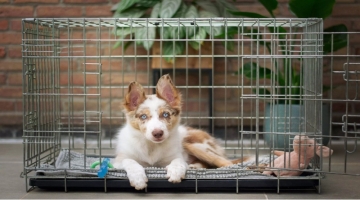

Basic Needs for a Happy and Healthy Dog

Every dog deserves a life full of love, comfort, and proper care. Here are the key aspects of responsible dog ownership:

  • Nutritious Diet: Feed your dog a high-quality, well-balanced diet suited to their age, breed, and activity level.
  • Fresh Water: Always provide clean, fresh water to keep your dog hydrated and healthy.
  • Routine Exercise: Regular walks, playtime, and mental stimulation help maintain your dog’s overall well-being.
  • Veterinary Care: Keep up with vaccinations, annual checkups, and preventative treatments for fleas, ticks, and heartworm.
  • Safe and Comfortable Shelter: Provide a warm, safe environment inside your home with a cozy bed for rest.

Grooming and Hygiene

Regular grooming keeps your dog looking and feeling their best. Grooming needs vary by breed, but in general:

  • Brushing: Brushing removes loose fur and prevents matting, especially for long-haired breeds.
  • Bathing: Dogs should be bathed as needed, typically every 4-6 weeks, using a dog-friendly shampoo.
  • Nail Trimming: Keeping nails trimmed prevents discomfort and joint issues.
  • Dental Care: Brush your dog’s teeth regularly and provide dental treats or toys to prevent gum disease.

Training and Socialization

  • Basic Commands: Teach commands like sit, stay, come, and leave it for safety and obedience.
  • Leash Training: Proper leash training ensures safe and enjoyable walks.
  • House Training: Consistent potty training is essential, especially for puppies.
  • Socialization: Expose your dog to different people, environments, and animals to build confidence and reduce anxiety.

Understanding Your Dog’s Health

Pay attention to your dog’s behavior and watch for any signs of illness, such as:

  • Changes in appetite or weight
  • Excessive scratching or hair loss
  • Lethargy or unusual aggression
  • Vomiting, diarrhea, or difficulty breathing

At the first sign of illness, consult your veterinarian to ensure early detection and treatment.

Providing a Loving Environment

Dogs thrive on love, attention, and a sense of security. Make sure to:

  • Spend quality time with your dog through play, training, and bonding activities.
  • Use positive reinforcement to encourage good behavior.
  • Never use harsh punishment—dogs learn best through patience and consistency.
  • Make your home a safe and comfortable space for your furry friend.

"Dogs are not our whole life, but they make our lives whole."

More Resources

Bringing A Dog Home When You Already Have One
Read More
The First 30 Days With Your Rescue Dog
Read More
How To Photograph Shelter Pets
Read More
Donate